Vesuvius 1944

di Vesuvioweb

VESUVIUS 1944

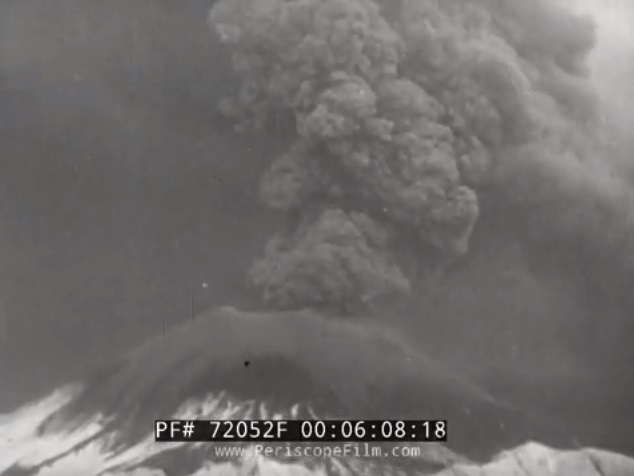
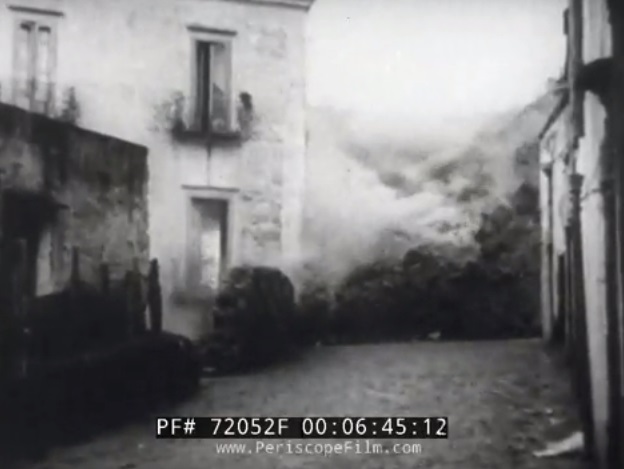
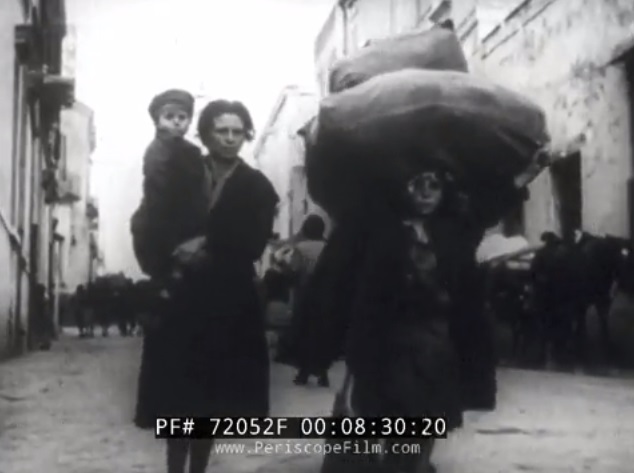
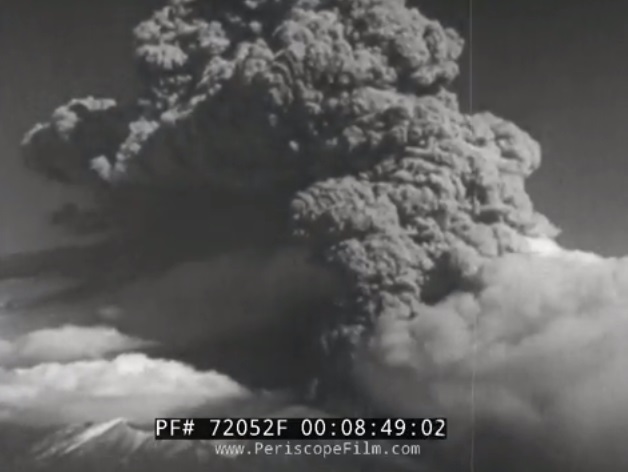
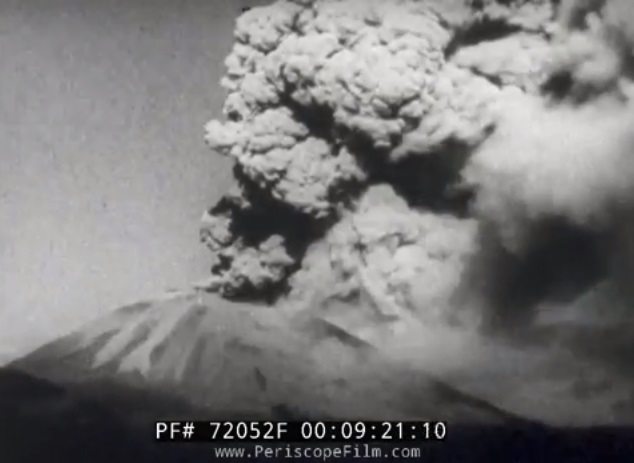
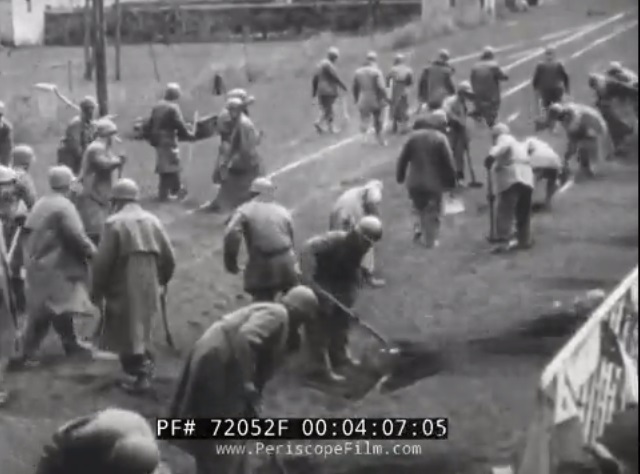
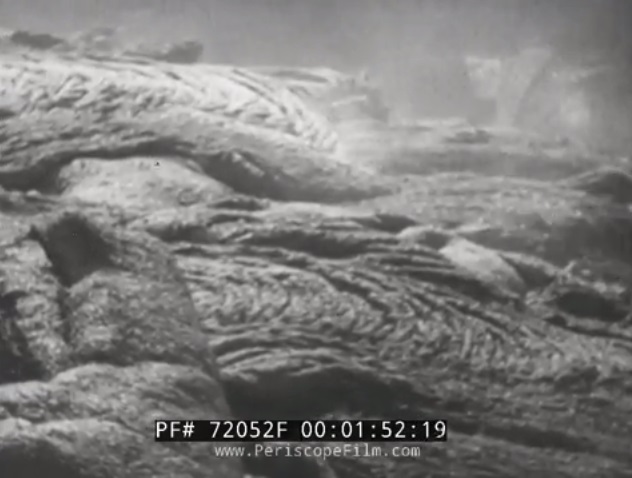
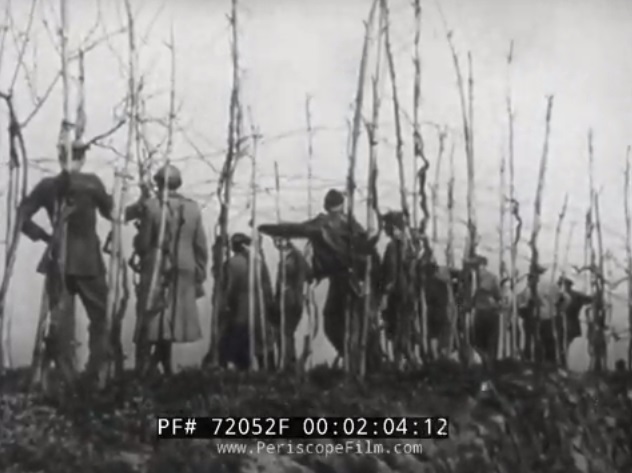
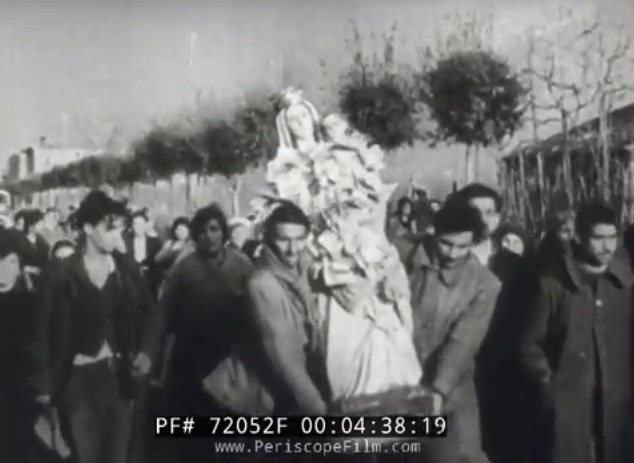
Un filmato  dell’epocaa documenta alcune delle fasi eruttive del Vesuvio nel 1944. Il contesto storico è tra i più tristi che questa terra abbia mai subito. Una guerra lunga e sanguinosa; uno stato frustrazione nella popolazione, un’ indigenza mai vista prima. L’eruzione aveva dato i primi segni già intorno alla metà del 1943 e tutto per la polopazione, sembrava rientrare in un comune ciclo di “vita” del vulcano. Il 6 gennaio del 1944 il Vesuvio eruttò, da una larga spaccatura del fianco occidentale. Un lungo e poderoso fiume di lava si riversò sui paesi perivesuviani ed una enorme nube di ceneri, sabbia e lapilli ricoprì il cielo. A documentare quei tristissimi momenti, la macchina cinematografica delle forze armate americane.
 

vesuvius 1944 -2-

vesuvius 1944 -3-

vesuvius 1944 -4-

vesuvius 1944 -5-

vesuvius 1944 -6-

vesuvius 1944 -7-

vesuvius 1944 -8-

vesuvius 1944 -9-

vesuvius 1944 -10-

vesuvius 1944 -11-

vesuvius 1944 -12-

vesuvius 1944 -13-

https://archive.org/details/72052fVesuviusErupts#


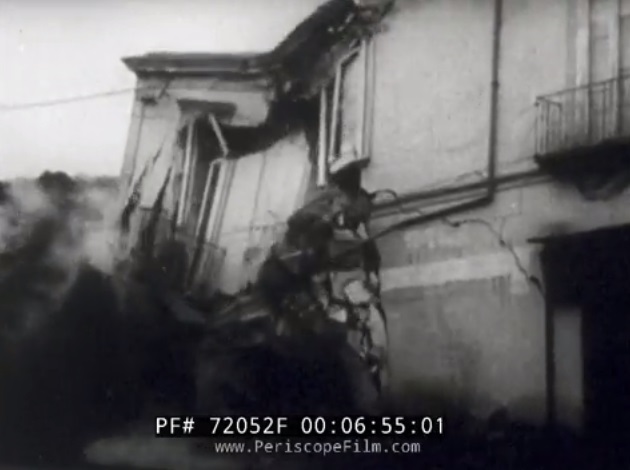
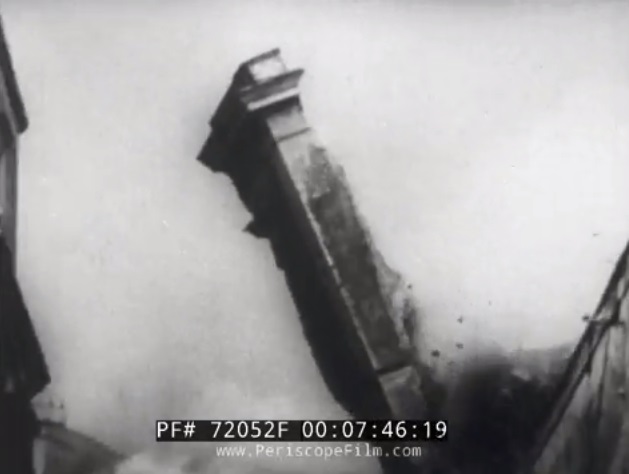
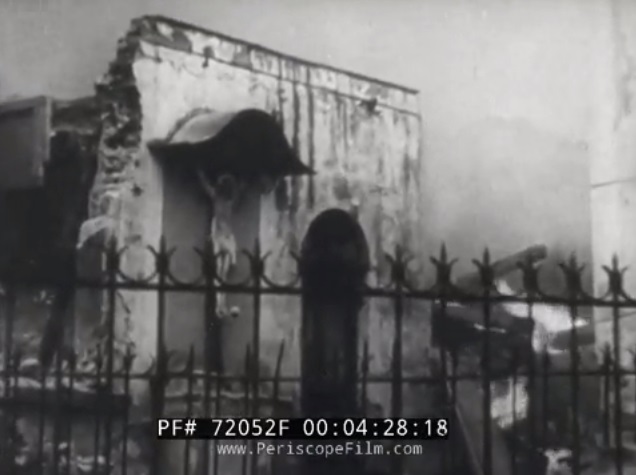
This Castle Films newsreel vividly shows the last major eruption of Mount Vesuvius in March 1944, right in the middle of the Allied invasion of Italy. The eruption destroyed the villages of San Sebastiano al Vesuvio, Massa di Somma, Ottaviano, and part of San Giorgio a Cremano.  From March 18 to 23, 1944, lava flows appeared within the rim. There were outflows. Small explosions then occurred until the major explosion took place on March 18, 1944.
At the time of the eruption, the United States Army Air Forces (USAAF) 340th Bombardment Group was based at Pompeii Airfield near Terzigno, Italy, just a few kilometers from the eastern base of the mountain. The tephra and hot ash damaged the fabric control surfaces, the engines, the Plexiglas windshields and the gun turrets of the 340th’s B-25 Mitchell medium bombers. Estimates ranged from 78 to 88 aircraft destroyed.
The eruption could be seen from Naples, roughly 10 miles distant. Different perspectives and the damage caused to the local villages were recorded by USAAF photographers and other personnel based nearer to the volcano.
Mount Vesuvius (Italian: Monte Vesuvio, Latin: Mons Vesuvius) is a stratovolcano in the Gulf of Naples, Italy, about 9 km (5.6 mi) east of Naples and a short distance from the shore. It is one of several volcanoes which form the Campanian volcanic arc. Vesuvius consists of a large cone partially encircled by the steep rim of a summit caldera caused by the collapse of an earlier and originally much higher structure.
Mount Vesuvius is best known for its eruption in AD 79 that led to the burying and destruction of the Roman cities of Pompeii and Herculaneum. That eruption ejected a cloud of stones, ash and fumes to a height of 33 km (20.5 mi), spewing molten rock and pulverized pumice at the rate of 1.5 million tons per second, ultimately releasing a hundred thousand times the thermal energy released by the Hiroshima bombing. An estimated 16,000 people died due to hydrothermal pyroclastic flows. The only surviving eyewitness account of the event consists of two letters by Pliny the Younger to the historian Tacitus.
Vesuvius has erupted many times since and is the only volcano on the European mainland to have erupted within the last hundred years. Today, it is regarded as one of the most dangerous volcanoes in the world because of the population of 3,000,000 people living nearby and its tendency towards explosive (Plinian) eruptions. It is the most densely populated volcanic region in the world.
This film is part of the Periscope Film LLC archive, one of the largest historic military, transportation, and aviation stock footage collections in the USA. Entirely film backed, this material is available for licensing in 24p HD and 2k. For more information visit http://www.PeriscopeFilm.com
____________________________________
Fonte e bibliografia

Ti potrebbe interessare